July 11, 2024
Discover Gombe National Park: Chimpanzee Trekking, Wildlife, and Conservation
By Exceptional Safaris Team
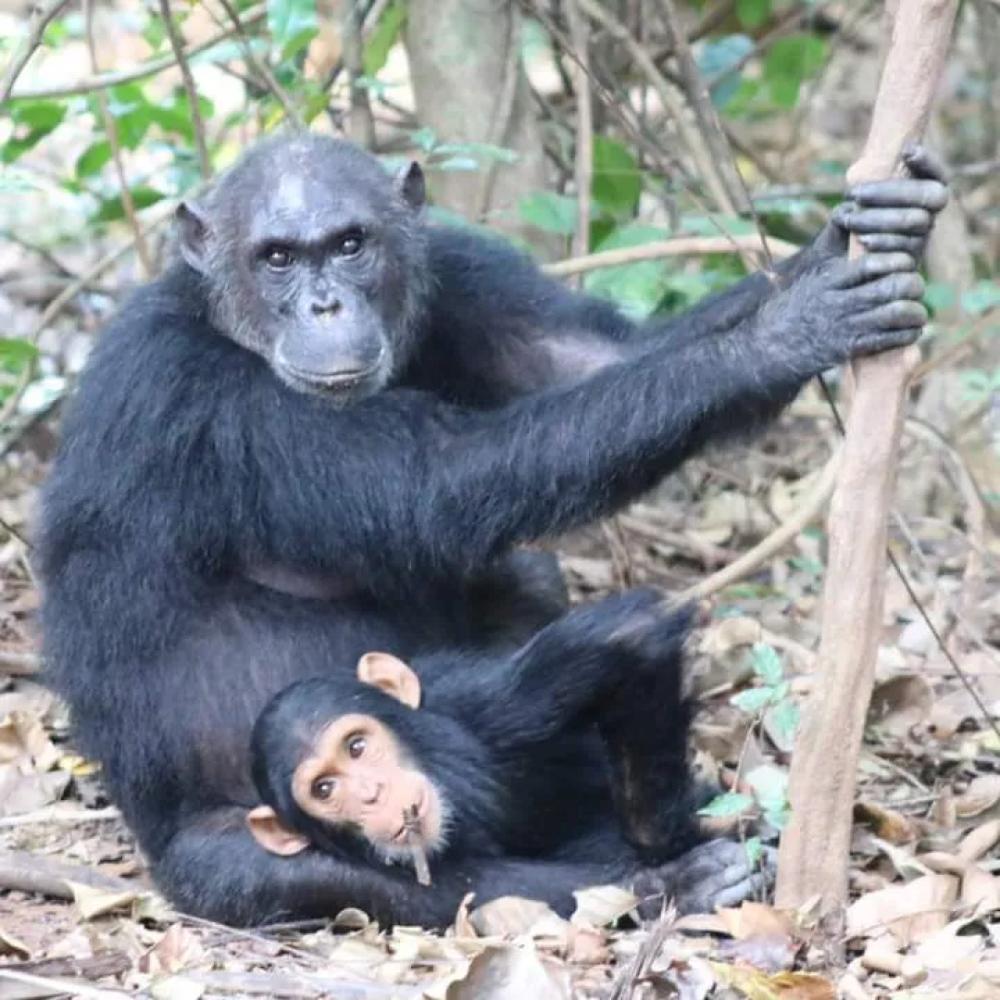
Gombe National Park, located in the western region of Tanzania along the shores of Lake Tanganyika, is a jewel of biodiversity and natural beauty. This park, though relatively small compared to other Tanzanian parks, is internationally renowned for its rich history, unique wildlife, and the pioneering research conducted by Dr. Jane Goodall. In this comprehensive article, we explore the many facets of Gombe National Park that make it a must-visit destination for nature enthusiasts and researchers alike.


Plan Your Own Safari
Location and Geography
Situated in the Kigoma Region, Gombe National Park covers an area of approximately 35 square kilometers. Its terrain is characterized by steep slopes, river valleys, and the crystal-clear waters of Lake Tanganyika. The park’s diverse habitats range from evergreen and semi-deciduous forests to grasslands, supporting a wide array of flora and fauna.Historical Significance
Gombe National Park gained international fame through the groundbreaking work of Dr. Jane Goodall, who began her research on chimpanzees here in 1960. Her studies revolutionized our understanding of primate behavior and brought global attention to the park. The legacy of her work continues to attract scientists and tourists interested in primatology and conservation.Biodiversity and Wildlife
Chimpanzees
The park is perhaps best known for its chimpanzee population. Visitors can observe these fascinating creatures in their natural habitat, often engaging in behaviors remarkably similar to humans. Gombe’s chimpanzees are well habituated to human presence, allowing for closer observation and interaction than is possible in many other locations.Other Primates
In addition to chimpanzees, Gombe is home to several other primate species, including red colobus monkeys, blue monkeys, and olive baboons. These species contribute to the park's rich biodiversity and offer visitors a chance to observe a variety of primate behaviors.Birdlife
Bird enthusiasts will find Gombe National Park to be a paradise, with over 200 species recorded. Notable birds include the fish eagle, palm-nut vulture, and the jewel-like Peter's twinspot. The park’s varied habitats provide ideal conditions for both resident and migratory birds.Aquatic Life
Lake Tanganyika, the world’s second-oldest and second-deepest freshwater lake, borders Gombe National Park. It supports a diverse array of aquatic life, including over 250 species of cichlid fish, many of which are endemic to the lake. Snorkeling in the lake’s clear waters offers a glimpse into this vibrant underwater world.Activities and Attractions
Chimpanzee Trekking
Chimpanzee trekking is the park’s most popular activity. Experienced guides lead visitors through the forest in search of chimpanzee families, offering insights into their behavior and ecology. The best time for chimpanzee trekking is during the dry season, from June to October, when the trails are more accessible, and the chimpanzees are easier to locate.
Hiking and Nature Walks
Gombe’s terrain provides excellent opportunities for hiking and nature walks. Trails such as the Kakombe Waterfall Trail and the Jane Goodall Trail offer scenic views and a chance to explore the park’s diverse ecosystems. These walks are not only invigorating but also educational, as guides share their knowledge of the local flora and fauna.Bird Watching
Bird watching in Gombe is a rewarding experience. The park’s diverse habitats attract a wide variety of bird species, making it a prime location for ornithologists and casual bird watchers alike. Early mornings and late afternoons are the best times for spotting birds.Snorkeling and Swimming
The clear, warm waters of Lake Tanganyika are perfect for snorkeling and swimming. Visitors can explore the lake’s rich aquatic life or simply enjoy a refreshing swim in one of the world’s oldest and most beautiful lakes.